Concentrations of toxic elements in mussels Mytilus galloprovincialis as bioindicator of coastal pollution


Yazarlar (1)
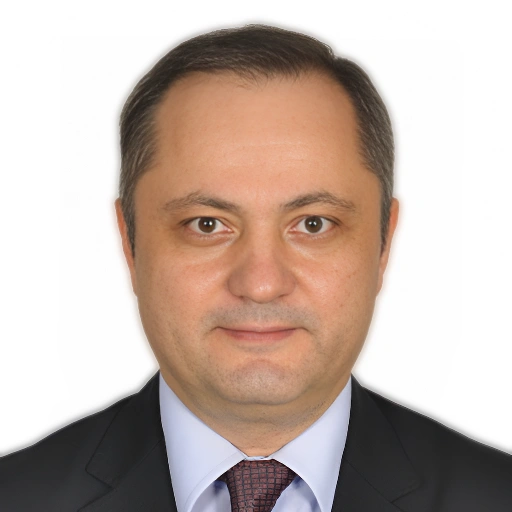
Prof. Dr. Levent BAT Sinop Üniversitesi, Türkiye
| Bildiri Türü | Tebliğ/Bildiri | Bildiri Dili | İngilizce |
| Bildiri Alt Türü | Tam Metin Olarak Yayınlanan Tebliğ (Uluslararası Kongre/Sempozyum) | ||
| Bildiri Niteliği | Alanında Hakemli Uluslararası Kongre/Sempozyum | ||
| Kongre Adı | International Biodiversity Ecology Sciences Symposium (BioEco2019) | ||
| Kongre Tarihi | 26-09-2019 / 28-09-2019 | ||
| Basıldığı Ülke | Türkiye | Basıldığı Şehir | İstanbul |
| UAK Araştırma Alanları |
Hidrobiyoloji
|
||
| Özet |
| The amounts of Pb, Cd and Hg in the edible tissues of Mytilus galloprovincialis Lamarck, 1819 (Mediterranean mussel) collected from Sinop shores of the Black Sea during summer months of the years 2016, 2017 and 2018 have been determined by Inductively Coupled Plasma–Mass Spectrometer (ICP/MS). The concentrations of toxic heavy metals in M. galloprovincialis, decreased in the following order: Pb> Hg> Cd. Concentrations of Pb, Hg and Cd in mussels ranged from 0.15 to 0.23, 0.007 to 0.10 and 0.05 to 0.08 with averages of 0.19, 0.087 and 0.067 mg/kg wet wt., respectively. In the present study, the concentrations of Pb, Hg and Cd in mussels studied were considerably lower than the maximum levels set by the European Commission and Turkish Food Codex reports and, therefore, the edible tissues of the mussels analysed were safe for human consumption in this region. The data presented in this study have also shown that M. galloprovincialis to be used as bio-indicator organisms which are species used by environmental researchers to monitor the health of a coastal ecosystem. |
| Anahtar Kelimeler |
